A Safety-First Approach: Scaffolding in Complex Bridge Rehabilitation Works
In bridge construction and maintenance, precision is everything—and
nowhere is this more visible than in the load-bearing calculations
behind scaffolding installations. These critical assessments make
certain that scaffolding infrastructure bridges (byggnadsställningar infrastruktur broar) methods can properly help personnel, resources, and powerful makes experienced through the task lifecycle.
Scaffolding
is frequently subjected to severe environmental conditions, including
breeze, vibration, and the weight of equally gear and personnel. Correct
load-bearing calculations support engineers and website managers style
scaffolding systems which can be stable, tough, and compliant with
safety standards.
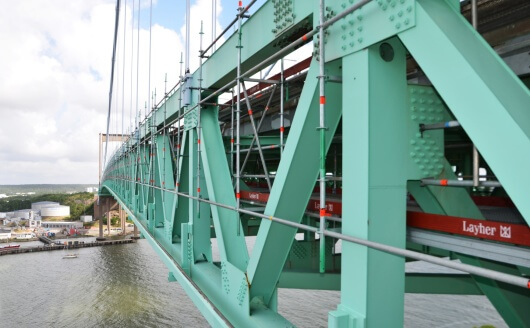
One of the principal targets of load calculations is to find out the maximum weight the scaffolding can help at any given point. This includes static masses, such as for instance structure components and platforms, as well as energetic masses from going individuals or shifting equipment. Overestimating the capability can be inefficient, while underestimating it poses significant security risks.
These calculations are specifically essential in bridge projects, where scaffolding may period large gaps or hang over water, traffic, or sensitive and painful environments. Such scenarios, knowledge how fat is spread across numerous point factors, trusses, and support articles becomes crucial for preventing architectural failure.
Sophisticated modeling instruments are now applied to simulate real-time load distribution, helping technicians foresee pressure details and enhance fragile zones. These technologies offer actionable knowledge that shows better, more efficient designs—increasing equally performance and peace of mind.
Exact load-bearing calculations also contribute to charge efficiency. Whenever a scaffolding process is correctly calculated, there is number need for exorbitant components or overbuilding. This leads to paid down material waste, improved work, and a thinner construction process—all without reducing on protection or function.
In maintenance or retrofitting jobs, where connections stay static in use, fill assessments help make certain that scaffolding installations do not interfere with the bridge's own structural integrity. It is a stability between availability and responsibility, and the q behind it makes all the difference.
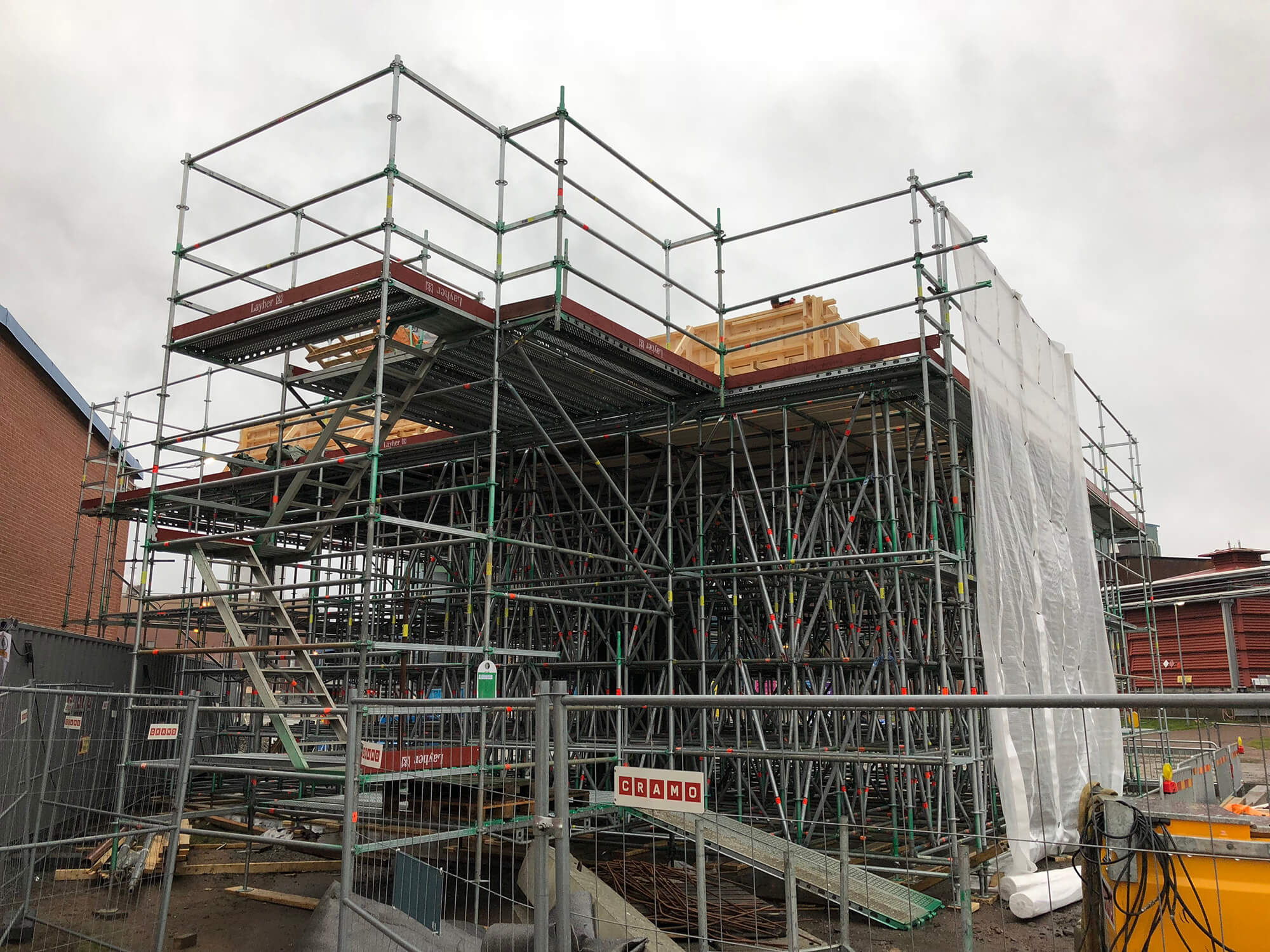
Furthermore, regulatory submission is tied carefully to these calculations. Construction authorities and inspectors usually need recorded proof load-bearing volume before scaffolding may be certified for use. Ensuring accurate knowledge not only maintains the project on course but in addition upholds appropriate and honest standards.
At their primary, scaffolding must do a lot more than support a project—it must defend it. That security starts with proper planning and precise calculations. In bridge infrastructure, where the limits are high, purchasing rigorous load-bearing analysis is not optional—it's essential for accomplishment, security, and structural integrity.

Comments
Post a Comment